Trigger Sequences Driving Progressive Jackpot Growth in Handheld Devices
Written by Lars Frank · Aug 24, 2026
Trigger Sequences Driving Progressive Jackpot Growth in Handheld Devices
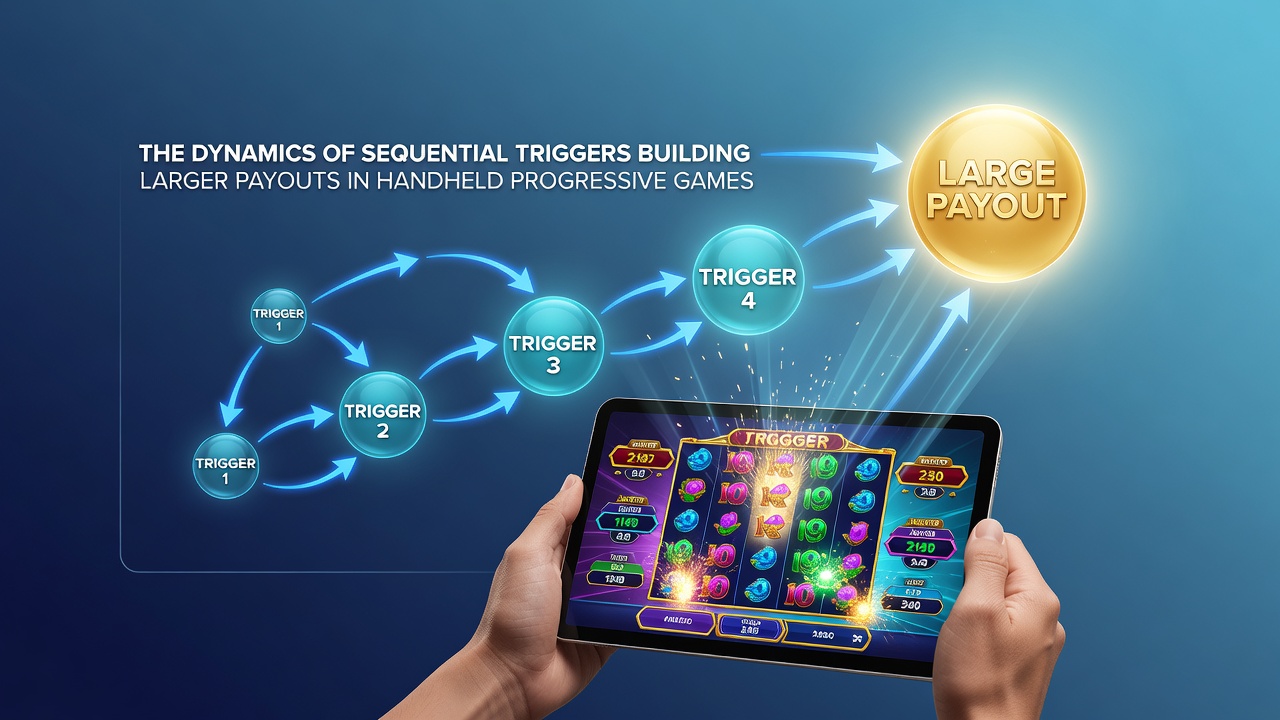
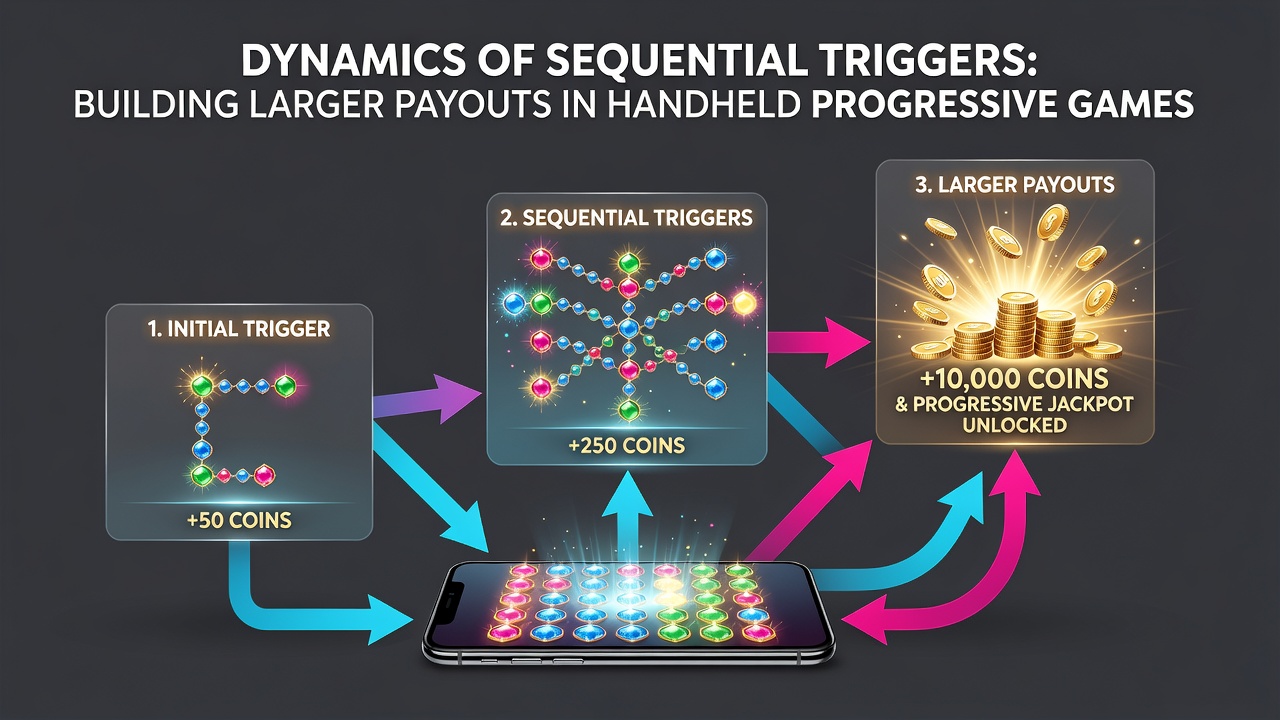
Sequential triggers in handheld progressive games operate through layered activation systems where each successful event modifies the payout structure and contributes to the accumulating jackpot pool, and data from industry reports indicates these mechanisms have expanded mobile gaming participation across multiple regions since 2024. Players engage with base game symbols that initiate the first trigger level, which then unlocks subsequent stages incorporating multipliers or additional progressive contributions, while handheld platforms manage these sequences through real-time server connections that synchronize across distributed player networks.
Core Mechanics of Sequential Activations
Handheld progressive systems rely on predefined trigger hierarchies where initial symbol combinations on the main reels advance the game into secondary modes, and each advancement increments the jackpot meter by a fixed percentage of the wager plus any bonus round accumulations. Researchers at the University of Nevada Reno documented how these chained events increase average payout values by 18 to 32 percent compared to single-trigger designs in comparable machine categories. The process continues until a terminal condition resets the sequence, yet the progressive component carries forward across sessions and devices because central servers track contributions independently of individual play sessions.
Device manufacturers integrate touch-responsive interfaces that display escalating meter values during each trigger stage, and this visual feedback loop encourages continued engagement without altering the underlying random number generation protocols. According to figures released by the Nevada Gaming Control Board in quarterly summaries through mid-2026, handheld devices accounted for 41 percent of all progressive jackpot contributions in regulated markets, with sequential trigger titles representing the fastest-growing subcategory.
Regional Market Patterns and Regulatory Context
European operators adopted similar sequential frameworks earlier than many North American jurisdictions, yet August 2026 marked the implementation of updated technical standards in several Canadian provinces that require explicit disclosure of trigger probabilities within mobile applications. These rules aim to standardize how information about chained activations appears on screen before play begins. Australian regulatory bodies issued parallel guidance documents emphasizing audit trails for progressive increments generated through multi-stage bonuses, and compliance deadlines aligned closely with the North American updates.
Market data compiled by the American Gaming Association shows handheld progressive titles generated $2.9 billion in global wagers during the first half of 2026, with sequential trigger variants contributing disproportionately to the largest single-win events. One documented case involved a chain of four consecutive triggers on a portable device that elevated a base progressive pool of £47,000 to a final payout exceeding £1.2 million within a single gaming session.
Factors Influencing Payout Scaling
Network architecture determines how rapidly sequential triggers compound value because each connected device feeds the central meter regardless of geographic location, and this distributed model accelerates growth when player volume spikes during evening hours across time zones. Volatility settings programmed into the game software further modulate the frequency of trigger advancement, with higher-volatility configurations producing fewer but larger sequential chains according to internal testing logs shared by development studios.
Device hardware capabilities influence presentation quality rather than outcome probabilities, although faster processors reduce latency between trigger stages and improve synchronization with server updates. Observers note that battery optimization features in newer handheld units have extended average session lengths by 14 minutes, indirectly increasing exposure to chained activation opportunities without modifying game mathematics.
Player Interaction Patterns
Analytics platforms tracking anonymous session data reveal that players who complete the first two stages of a sequential trigger sequence continue play 67 percent of the time until either a cash-out or the terminal stage resolves. This retention pattern holds across different demographic segments and device operating systems. Software providers have responded by embedding optional quick-exit mechanics that preserve accumulated progressive contributions while allowing users to pause handheld sessions without forfeiting meter progress.
Third-party testing laboratories verify that sequential trigger implementations maintain certified random outcomes at every stage, and independent audits confirm no deviation from declared return-to-player percentages even when multiple trigger layers activate consecutively. These verifications occur quarterly under frameworks established by the International Association of Gaming Regulators.
Conclusion
Sequential trigger designs continue to shape payout dynamics within handheld progressive environments through structured escalation layers that feed centralized jackpot pools, and regulatory updates scheduled around August 2026 have standardized disclosure requirements without restricting the core mechanics. Market figures and technical reports demonstrate consistent growth in both participation and average win magnitudes tied directly to these chained activation systems across regulated jurisdictions.