Symbol Clusters and Their Ripple Effects on Reward Tier Progression in Digital Gaming Platforms
Written by Lars Frank · Aug 20, 2026
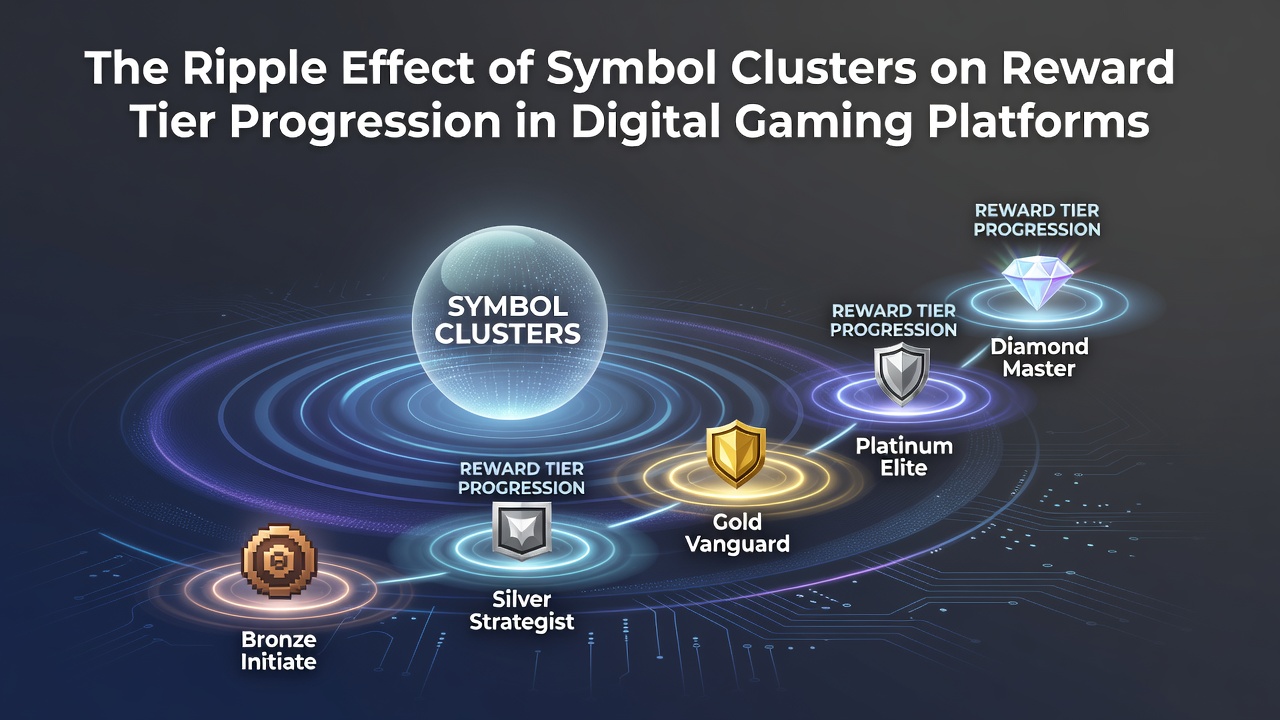
Symbol Clusters and Their Ripple Effects on Reward Tier Progression in Digital Gaming Platforms
Symbol clusters form the core mechanic in many digital slot platforms where identical icons group together to activate bonuses and accumulate points that feed directly into reward tier systems, and observers note that these groupings create chain reactions because a single cluster often triggers multipliers which in turn generate additional symbols leading to further progressions, according to industry analyses from the American Gaming Association. Data shows that platforms track these events through algorithms that convert cluster sizes into tier points wth larger formations awarding higher values while smaller ones build incrementally toward the same goal.
Mechanics Behind Cluster Formation and Point Allocation
Game developers design symbol clusters to appear in sequences where three or more matching icons align horizontally or vertically and this alignment registers as a qualifying event that adds points to a player's profile immediately upon resolution while cascades replace removed symbols with new ones potentially forming secondary clusters in the same spin sequence. Researchers at the University of Nevada's gaming technology lab have documented how these mechanics distribute points unevenly across sessions with volatility levels determining whether clusters appear frequently in small groups or rarely in massive formations that accelerate tier movement.
Platforms integrate these points into tier progression models where bronze levels require modest accumulations from basic clusters whereas silver and gold tiers demand sustained activity including multiple high-value groupings over defined periods and platinum status unlocks only after extensive tracking of cluster frequency combined with wager volumes. Figures reveal that in August 2026 several platforms updated their systems to include real-time cluster analytics dashboards allowing players to monitor how each formation contributes to the next threshold without manual calculation.
Cascading Impacts Across Multiple Tiers
One cluster rarely operates in isolation because its activation often initiates free spin rounds or multiplier enhancements that produce additional clusters in rapid succession and these follow-on events compound the initial point gain by factors of two to five times depending on the game variant. Studies from the Canadian Centre for Gaming Research indicate that players who trigger early clusters in a session experience accelerated movement through lower tiers since the ripple generates bonus rounds that award extra points automatically added to the cumulative total.
Digital platforms employ tier ladders where each level grants escalating benefits such as increased cashback percentages or exclusive access to progressive jackpot pools and cluster-driven progressions determine eligibility because systems log every qualifying group to calculate advancement rates. What's interesting is how a mid-session cluster surge can push a player from silver directly into gold territory within minutes when cascades align favorably and data from European gaming operators shows seasonal spikes in such events during promotional periods.
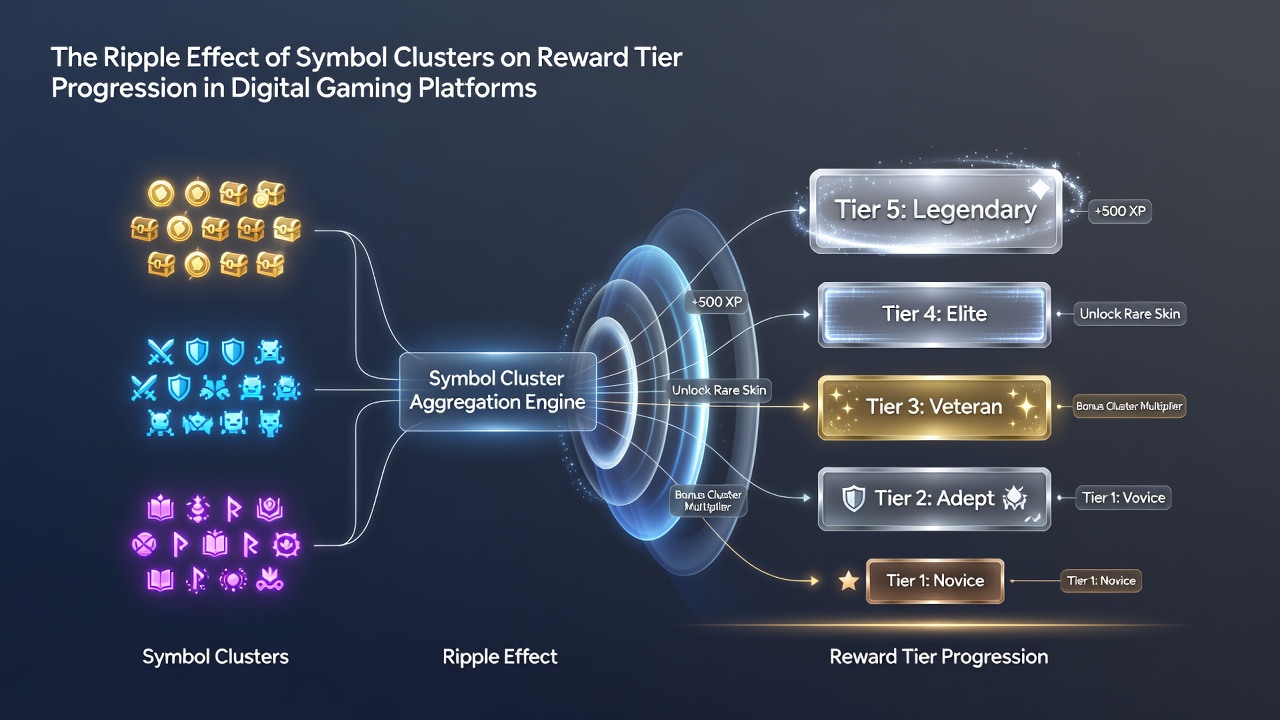
Those who've examined platform logs note that cluster size directly influences the ripple duration because larger groups remove more symbols at once creating bigger gaps for new formations to fill and this process extends the active spin sequence while accumulating points at an elevated rate. Industry reports from the Australian Gambling Research Centre highlight regional differences in how operators weight these events with some markets emphasizing cluster frequency over size to encourage longer play sessions across all tiers.
Integration With Broader Platform Features
Reward tier systems connect cluster mechanics to loyalty programs where accumulated points from groupings convert into status upgrades that unlock personalized bonuses and this linkage means a single productive session featuring repeated clusters can advance multiple tiers simultaneously when multipliers apply across the board. Observers note that platforms in August 2026 began incorporating predictive modeling to forecast tier jumps based on current cluster patterns allowing users to see projected outcomes before committing additional wagers.
Take one documented case where experts tracked a platform's data over six months and found that clusters exceeding five symbols accounted for over forty percent of all tier advancements even though they occurred in less than ten percent of total spins because their point yields scaled exponentially. External sources such as the American Gaming Association confirm these patterns through aggregated operator submissions while academic papers from institutions like the University of Sydney's gambling studies unit provide comparative analyses across different cluster-based game engines.
Conclusion
Symbol clusters continue to serve as primary drivers of reward tier progression in digital gaming environments because their formation mechanics generate both immediate points and extended sequences that compound advancement opportunities across sessions. Platforms refine these systems regularly with updates that adjust point allocations and cascade rules to maintain balance between player engagement and operational metrics and data from multiple regulatory regions supports the observation that cluster frequency correlates strongly with tier mobility rates. Those monitoring industry trends in August 2026 report ongoing refinements to analytics tools that make these connections more transparent for participants navigating the tier structure.