Multi-Level Reward Architectures Transform Participation Patterns in Virtual Casino Settings
Written by Henrik Hartmann · Nov 16, 2026
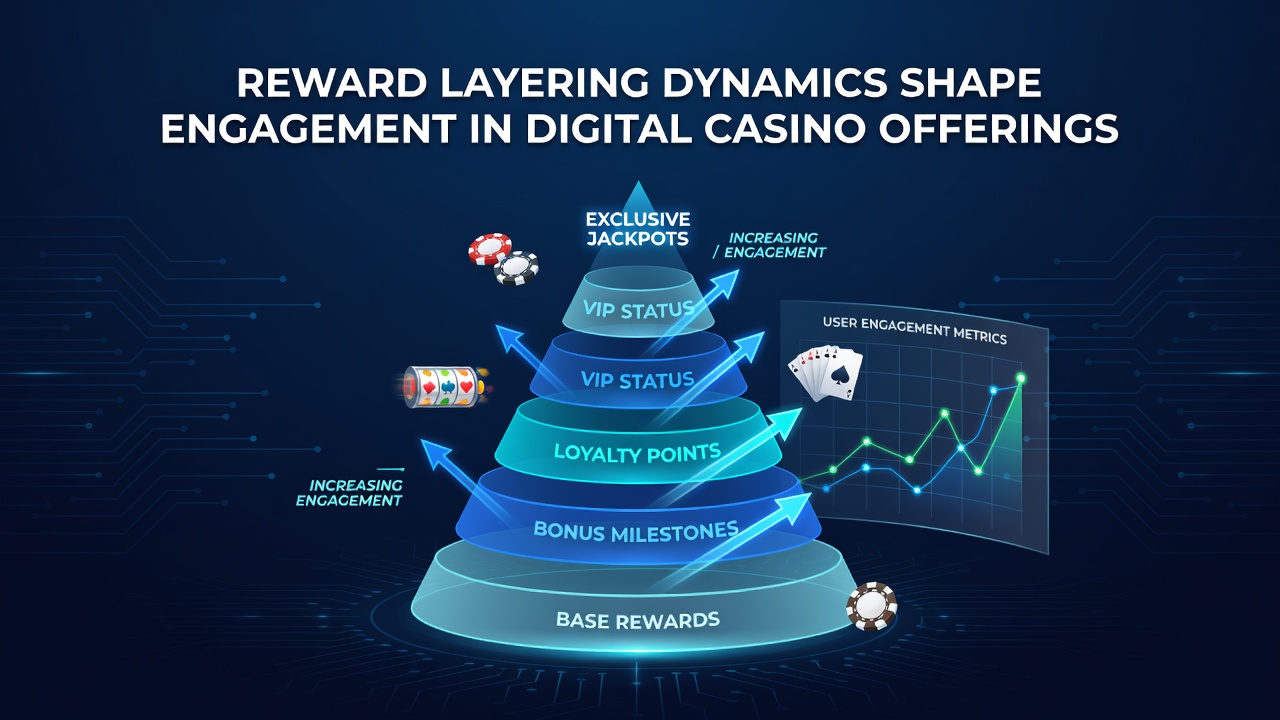
Multi-Level Reward Architectures Transform Participation Patterns in Virtual Casino Settings
Digital casino platforms deploy reward layering as a core mechanism where operators combine entry-level bonuses, progressive loyalty tiers, multiplier events, and milestone achievements into unified player pathways, and data from multiple market analyses shows these stacked structures correlate with extended session durations across user segments. Researchers tracking behavioral metrics note that when basic deposit matches sit alongside escalating cashback rates and exclusive event access, participation metrics rise in measurable increments rather than through isolated promotions alone.
Core Components Within Layered Systems
Entry points typically feature welcome packages that blend free spins with deposit credits while mid-tier elements introduce weekly reloads tied to cumulative wager thresholds, and top strata deliver personalized concierge services alongside accelerated withdrawal processing; industry reports compiled through 2026 confirm operators track these layers via centralized dashboards that adjust offers in real time based on individual play histories. Observers tracking platform telemetry find that seamless transitions between layers reduce drop-off points because players encounter continuous incentives rather than abrupt resets after initial bonuses expire.
Mechanics often incorporate time-bound challenges that unlock additional multipliers when players complete daily login sequences or reach volume targets, and academic studies examining engagement data across North American and European markets indicate such conditional stacking sustains activity levels longer than standalone offers because each completed layer feeds directly into the next reward bracket.
Behavioral Patterns Linked to Layer Integration
Platform analytics reveal that users navigating multiple simultaneous reward tracks demonstrate higher return rates within seven-day windows compared with those exposed to single-dimension promotions, while figures released by gaming research consortia in Australia and Canada illustrate average session extensions of twenty to thirty-five percent when layering includes both short-cycle spins and long-cycle VIP progressions. Those monitoring retention curves note the absence of dead zones between promotions because overlapping eligibility windows keep momentum intact across calendar periods.
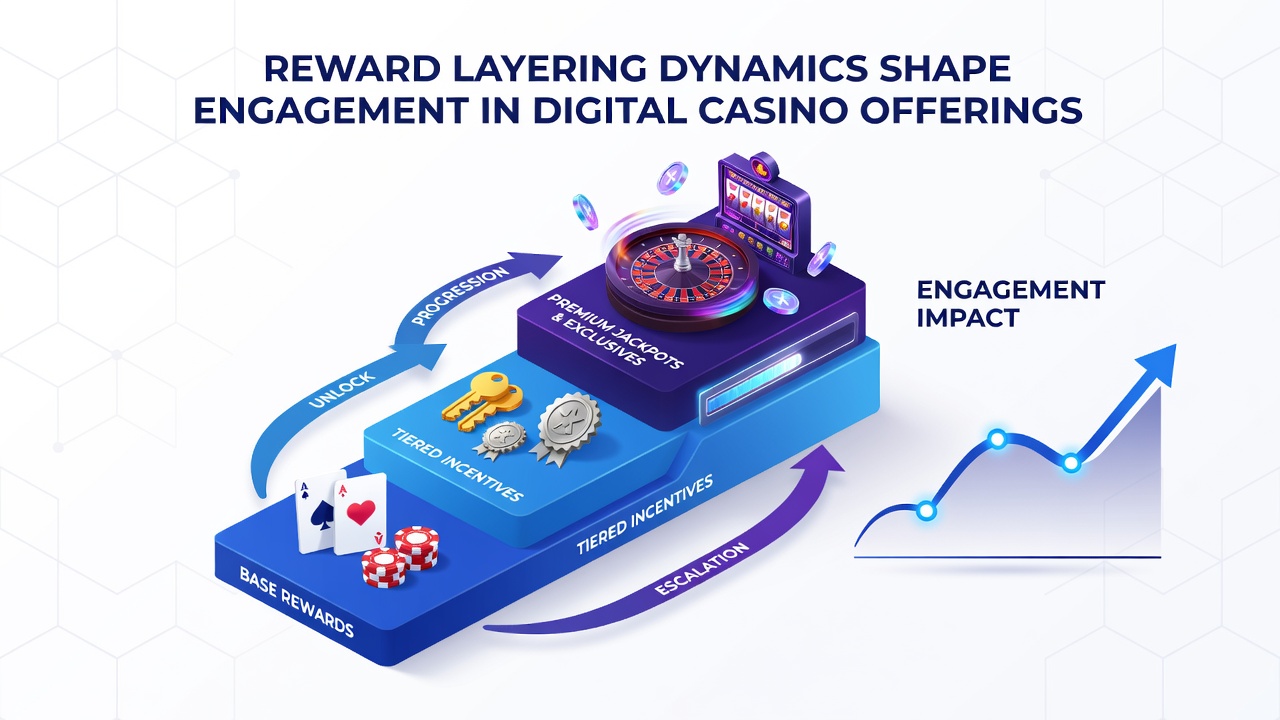
November 2026 data snapshots from several aggregator services highlight how platforms that synchronize free-spin cascades with loyalty-point accelerators record steadier daily active user counts, particularly during mid-week lulls when isolated promotions historically underperform. Experts reviewing cross-platform comparisons emphasize that the sequencing of layer activations matters as much as teh value of individual components, since poorly timed overlaps can dilute perceived value while well-orchestrated sequences amplify it.
Measurement Approaches and Industry Benchmarks
Operators rely on cohort analysis and lifetime-value modeling to quantify how each added layer influences repeat engagement, and external audits conducted by independent research institutions document consistent patterns where incremental tier access correlates with elevated total wager volumes without corresponding increases in single-session intensity. Regulatory filings from jurisdictions outside the United Kingdom, including data shared through the Australian Gambling Research Centre, provide comparative benchmarks showing that transparent layer communication reduces player confusion and supports more predictable engagement trajectories.
Additional sources such as reports from the International Center for Responsible Gaming track how layered structures interact with player self-management tools, revealing that clear visual progression indicators help maintain balanced participation even as cumulative rewards accumulate. These findings emerge from longitudinal datasets spanning multiple continents and operator types, underscoring the structural role of layered design rather than any single promotional tactic.
Conclusion
Layered reward architectures continue to define engagement dynamics in digital casino environments through interconnected bonus mechanics, tiered loyalty frameworks, and real-time personalization engines that together shape session length and return frequency. Available data sets from varied regulatory regions demonstrate measurable links between system complexity and sustained activity, while measurement methodologies evolve to capture interactions across multiple simultaneous incentive tracks. Continued refinement of these structures depends on transparent reporting and cross-jurisdictional research that tracks both participation metrics and responsible-play indicators in equal measure.