Mobile Gaming Ecosystems: Funding Options and Tiered Reward Dynamics
Written by Henrik Hartmann · Aug 22, 2026
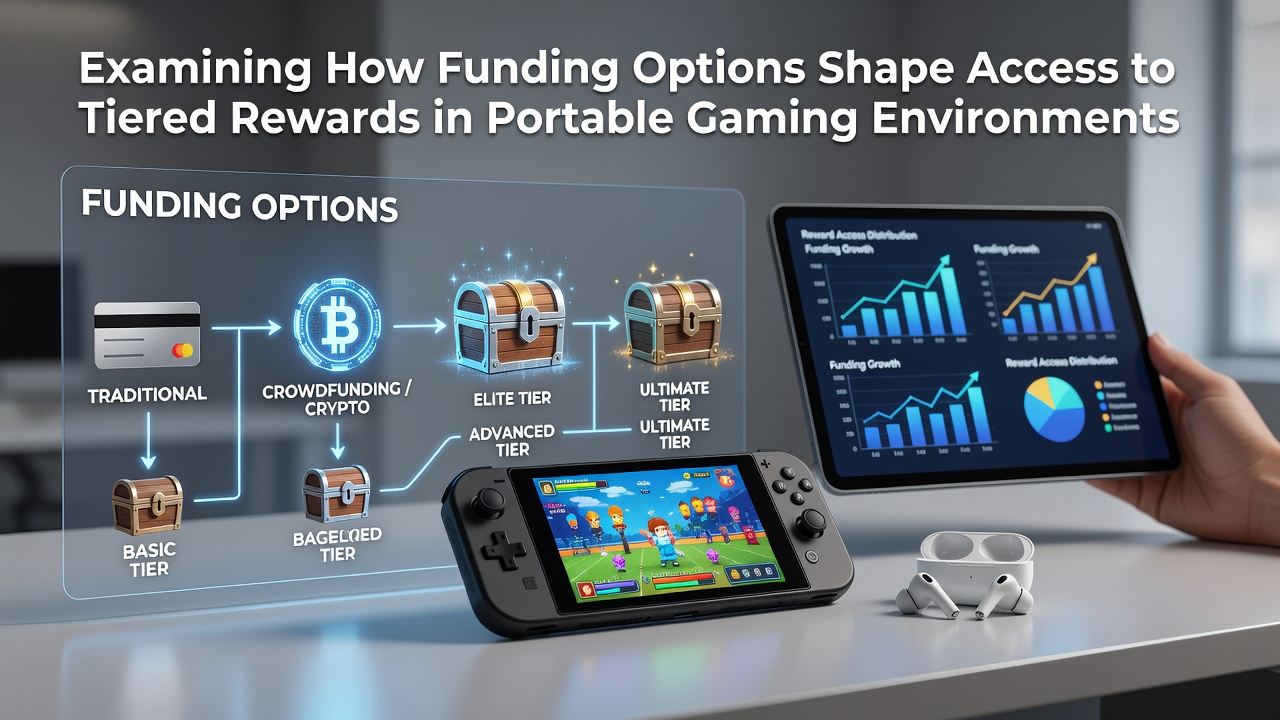
Mobile Gaming Ecosystems: Funding Options and Tiered Reward Dynamics
Portable gaming environments have expanded rapidly in recent years, with data from industry reports showing that mobile platforms now account for over 60 percent of total gaming activity in multiple regions, and funding options play a direct role in determining which players gain entry to higher reward tiers within those systems.
Payment Method Variations Across Mobile Platforms
Traditional credit and debit card transactions remain the most widely used funding route in portable gaming applications, yet e-wallet services such as PayPal and digital alternatives including cryptocurrency transfers have gained measurable traction since 2023, according to figures released by the Australian Communications and Media Authority. Processing speeds differ substantially between these methods, with card payments often requiring one to three business days for verification while e-wallets frequently clear within minutes, and this speed differential directly influences how quickly a player can meet the deposit thresholds required for tier advancement in many mobile gaming programs.
Bank transfers provide another avenue that carries higher minimum amounts and longer confirmation windows, whereas prepaid vouchers and instant bank apps occupy a middle ground that some operators integrate to broaden accessibility. Research conducted by the University of Nevada, Las Vegas gaming laboratory indicates that players utilizing faster funding channels complete the initial deposit requirements for entry-level tiers at rates approximately 35 percent higher than those relying on slower methods, although the study notes that regional banking regulations can alter these outcomes.
Tier Structures and Deposit Thresholds
Tiered reward systems in portable gaming typically organize benefits into multiple levels, each tied to cumulative deposit volumes, frequency of activity, and sometimes specific payment types that operators designate as preferred. Lower tiers often activate after modest funding activity, while mid and upper tiers demand progressively larger totals reached within defined time frames, and observers note that certain payment options carry built-in limits that can slow or accelerate progress toward those milestones.
One case documented in a 2025 industry analysis from the Canadian Gaming Association revealed that mobile users funding accounts through cryptocurrency experienced accelerated tier movement in select applications because transaction limits exceeded those of standard card networks, yet the same report highlighted that volatility in crypto values introduced separate variables affecting consistent access. Operators frequently adjust these structures in response to regulatory updates, and new compliance measures scheduled for implementation in August 2026 across several jurisdictions are expected to standardize disclosure requirements around funding impacts on reward eligibility.
Regional Regulatory Influences on Funding Access
European Union directives on digital payments have prompted many portable gaming platforms to incorporate additional verification steps for certain funding methods, which in turn affects the timeline for tier qualification. Data compiled by the European Gaming and Betting Association shows that platforms complying with these rules report a 22 percent increase in e-wallet adoption among users seeking faster tier progression, while card-based funding has seen modest declines in specific member states.

In the United States, state-level variations create a patchwork where Nevada and New Jersey maintain distinct rules on acceptable funding sources for mobile gaming, and research from the National Council on Problem Gambling has tracked how these differences correlate with varying rates of reward tier participation. Platforms operating across borders must therefore calibrate their systems to accommodate multiple funding preferences while maintaining consistent tier criteria, and this adaptation process often determines which payment options receive promotional emphasis within the applications themselves.
Operational Impacts on Player Progression
Transaction fees associated with different funding methods can reduce the net amount applied toward tier thresholds, and several portable gaming operators now display real-time calculations that illustrate how each option contributes to reward progress. Those who've examined operator data note that fee transparency has improved since 2024, yet disparities remain between regions with stricter consumer protection statutes and those with lighter oversight.
Instant deposit features tied to specific apps or services have emerged as a practical advantage for players aiming to maintain momentum toward higher tiers, while scheduled maintenance windows or regional banking holidays can interrupt access for users dependent on traditional transfers. Evidence from platform analytics indicates that diversified funding support correlates with higher retention rates across tier levels, because players encounter fewer barriers when attempting to sustain the activity volumes required for ongoing qualification.
Conclusion
Funding options continue to intersect with tiered reward structures in portable gaming environments through processing times, transaction limits, and regulatory compliance factors that vary by region and payment type. Data from multiple sources, including the Australian Communications and Media Authority and the University of Nevada, Las Vegas, demonstrates measurable differences in how quickly players advance based on their chosen methods, while upcoming regulatory adjustments in August 2026 are positioned to further standardize related disclosures. The interplay between these elements shapes access patterns without altering the fundamental design of tier systems themselves.