Interwoven Reward Mechanisms in Portable Casinos: Transaction Efficiencies, Tiered Memberships, and Multiplier Effects for Live Dealers
Written by Leon Sullivan · Aug 20, 2026
Interwoven Reward Mechanisms in Portable Casinos: Transaction Efficiencies, Tiered Memberships, and Multiplier Effects for Live Dealers
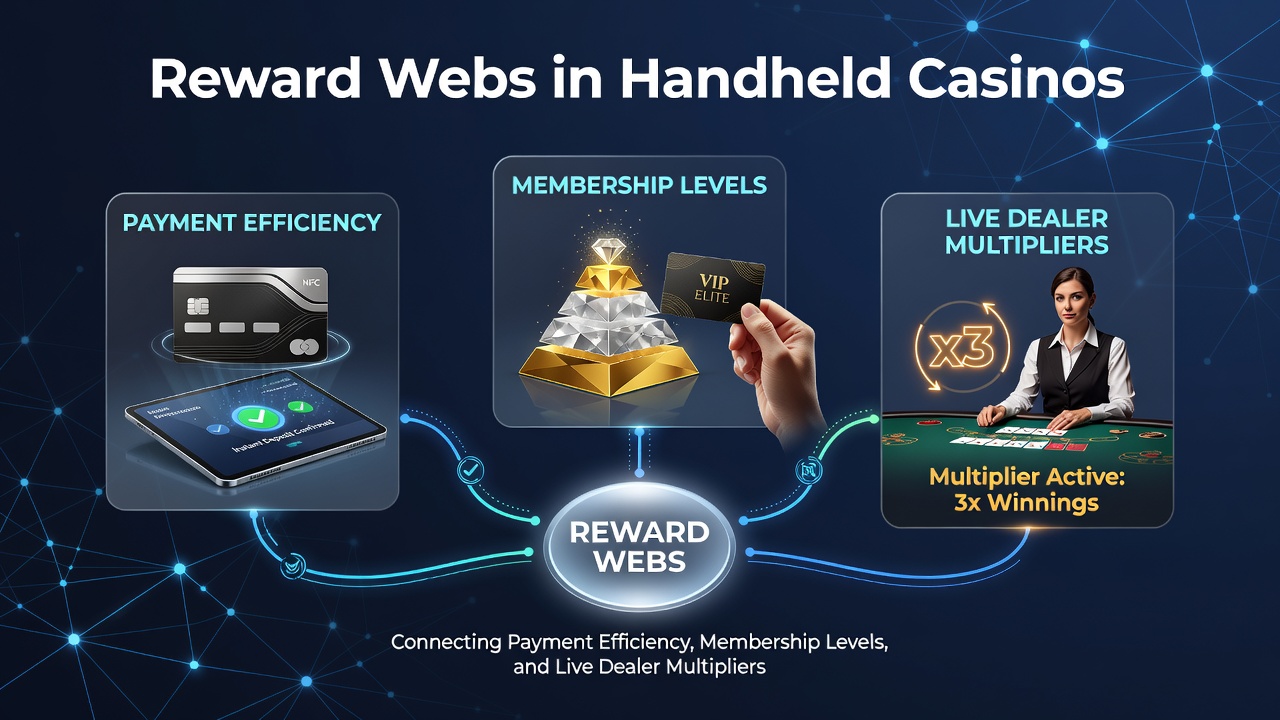
Portable casino platforms integrate reward webs that tie payment processing speeds directly to membership progression and live dealer bonus multipliers, creating layered incentive structures across handheld devices. These systems operate through algorithmic connections where faster deposit confirmations unlock higher tier benefits, which in turn scale multiplier values during live table sessions. Industry data from the American Gaming Association shows transaction volumes in mobile segments rose consistently through 2025, with efficiency metrics influencing how operators structure loyalty pathways.
Payment Processing as the Foundation Layer
Payment efficiency forms the base connection in these reward webs because instant or near-instant deposits trigger immediate membership credit assignments. Operators link banking rails such as e-wallets and bank transfers to backend systems that calculate tier advancement in real time, whereas slower methods delay those same credits. Figures from regulatory filings in Nevada indicate that platforms optimizing payment latency report higher session continuity rates, since users experience seamless shifts from deposit to active play without interruption. And those who've examined mobile transaction logs note that same-day processing correlates with accelerated progression through basic membership stages.
Membership Levels and Their Embedded Connections
Tiered membership structures expand beyond simple point accumulation because they incorporate payment history alongside play volume to determine access to multiplier pools. Entry-level members receive baseline multipliers during live dealer rounds, yet advancement to mid or premium tiers multiplies those values through automated adjustments tied to deposit frequency. Researchers tracking loyalty program data across North American markets found that operators using integrated dashboards allow members to view projected tier thresholds based on pending transactions, which reduces drop-off during qualification periods. This creates a feedback loop where payment efficiency directly feeds membership velocity, and membership velocity in turn expands available live game enhancements.
Live Dealer Multipliers Within the Web
Live dealer multipliers operate as the visible output of the reward web because they scale according to both payment speed and current membership tier at the moment a game round begins. Platforms configure these multipliers to activate only after payment verification completes, ensuring the system maintains consistency across handheld sessions. Data collected by teh Canadian Gaming Association reveals that live table participation increases when multipliers align with membership milestones, particularly in blackjack and roulette variants where dynamic boosts apply per hand or spin. Observers note that operators adjust multiplier caps seasonally, with updates scheduled around periods like August 2026 reflecting platform-wide recalibrations to maintain balance between reward density and operational costs.
Technical Integration Across Components
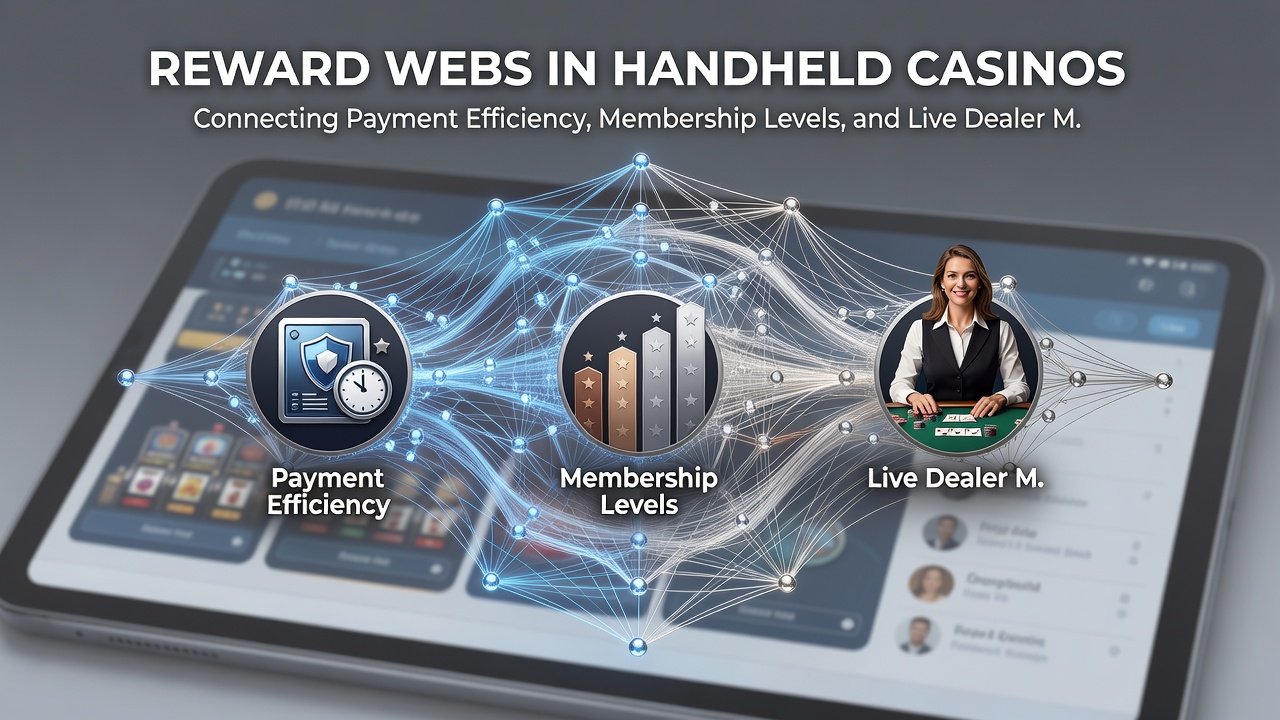
Backend architectures connect these elements through API linkages that pass payment confirmation signals to membership engines, which then broadcast updated multiplier eligibility to live game servers. This architecture prevents mismatches where a player might expect a boosted round but receives base rates due to delayed tier recognition. European Gaming and Betting Association reports highlight standardized protocols that operators adopted to synchronize these flows, resulting in fewer support tickets related to reward discrepancies. Those who've studied implementation timelines point out that platforms completing integration ahead of regulatory review windows experienced smoother compliance transitions, especially when handling cross-border mobile users.
Regional Variations in Reward Web Deployment
Different jurisdictions apply distinct rules to how payment efficiency interacts with membership and multipliers, creating varied operational landscapes. Markets with stricter verification requirements extend processing windows, which shifts the timing of tier advancement and subsequent multiplier access. In contrast, regions permitting streamlined digital verification maintain tighter connections between deposits and live game bonuses. Australian regulatory summaries indicate that operators in those markets publish transparency reports detailing average times from payment to multiplier activation, allowing users to compare platform performance directly.
Conclusion
Reward webs in handheld casinos function through deliberate linkages that route payment efficiency into membership advancement and onward into live dealer multiplier calculations. These connections rely on synchronized data flows rather than isolated features, producing measurable effects on user progression patterns across platforms. As operators refine these systems ahead of scheduled updates in 2026, the underlying architecture continues to determine how efficiently each component reinforces the others.